easyCinema Score
Weighted average from 3 sources
IMDb
Rotten Tomatoes
Metacritic
TMDB User Score
1 votes · Critic ratings not yet available
Streaming information not available in your region.
Ivan Gübel
Commentary (voice)
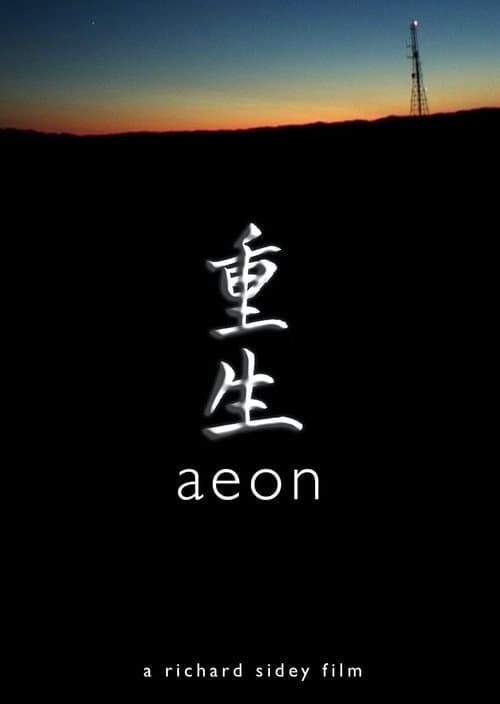
Dealing heavily with perceptions of time, Aeon documents the urban cityscape as Wellington transforms through a zen-influenced eternal cycle of birth, life, death and rebirth within a 24-hour period.
2004
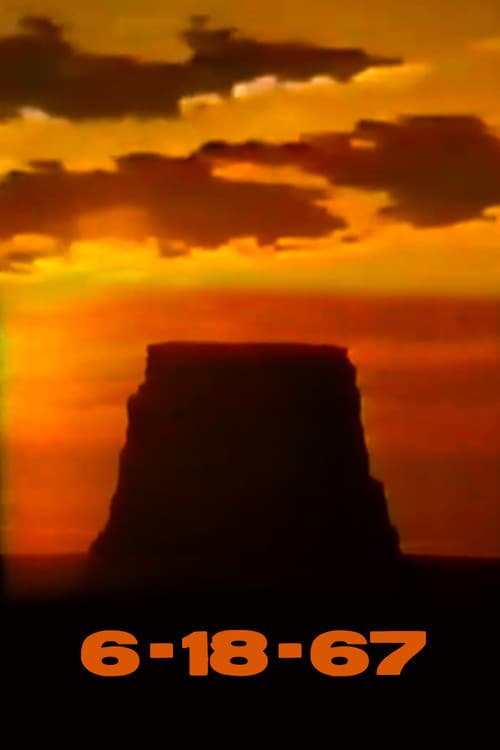
Filmed during the production of the Columbia Pictures western "Mackenna’s Gold," this short work presents a non-narrative visual study of the Arizona desert. Rather than documenting the film set itself, "6-18-67" assembles landscape images, time-lapse photography, and ambient sound into an abstract record of place and duration.
1967
An experimental and iconoclastic journey through the Spanish Holy Week in the late sixties.
1969
This is a video for those seeking information and visual demonstration of the correct methods of employing night vision gear during low-light tactical operations. Useful nighttime training drills that the viewer can replicate are the core of this particular video. The “VOL I” descriptor suggests this is the first of a series of training videos, and more of the series are yet to come.
2013
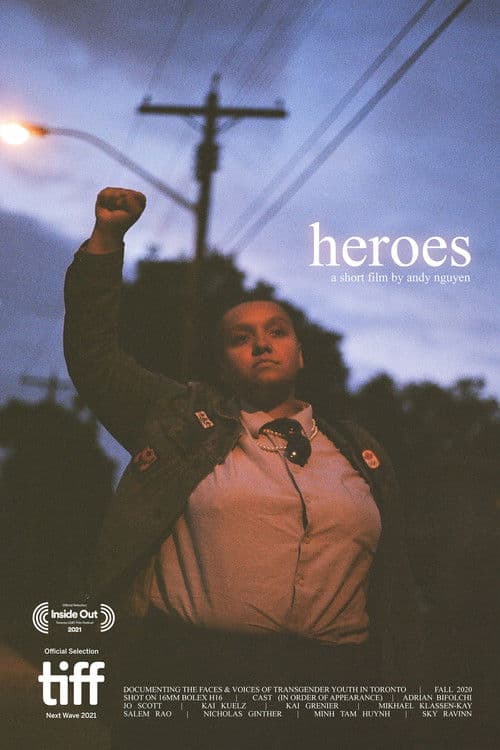
Displaying the faces and voices of transgender youth, the documentary short shows the authenticity of queer and trans people living in Toronto, while simultaneously discussing the struggles for self-acceptance that people who do not conform to cisgender and heteronormative ideals of gender face. Andy Nguyen, trans director and film student, captures his trans friends in their natural state on 16mm film shot on a Bolex h16 camera. Accompanied by narration written and recited by Salem Rao, this film represents that trans people exist and this is what we look like. Regardless of the obvious everyday transphobia, trans people find community and uniqueness within each other and themselves.
2020
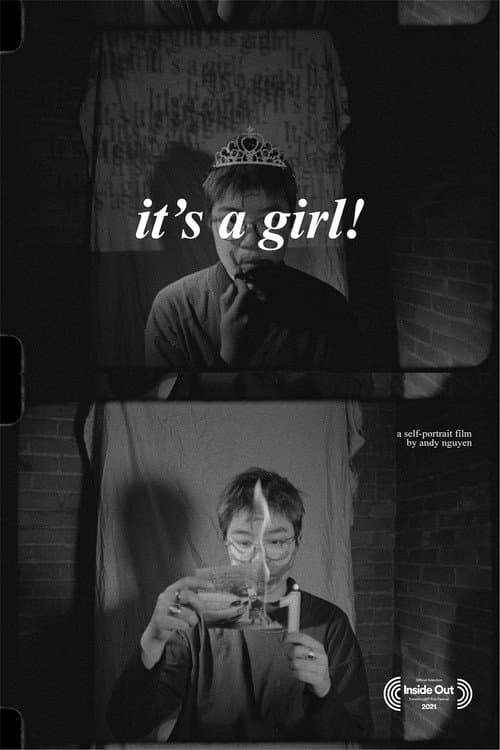
A self-portrait short film on 16mm from a trans male perspective.
Here's a strange one. First, a song on a blackboard: a Polish translation of “I love my little rooster” by American folk writer Almeda Riddle. Then, two men roll around trash bins and lift them to the garbage truck. They do it several times. A woman shouts in the distance. At the end, the picture stops, and the woman sings the song. An early short by Piotr Szulkin.
1972
2012: Time For Change is a documentary feature that presents ways to transform our unsustainable society into a regenerative planetary culture. This can be achieved through a personal and global change of consciousness and the systemic implementation of ecological design.
2010
Madrid, Spain, 1949. The Circo Americano arrives in the city. While the big top is pitched in a vacant lot, the troupe parades through the grand avenues: the band, a witty impersonator, the Balodys, acrobats, jugglers, acrobatic skaters, clowns and… Buffallo Bill.
1950
A 4-year-old girl cries, lost in the city. A Soviet soldier on a ferry takes her in and takes her to her home village.
1949
In Vancouver, British Columbia, two teenagers attempt to create a feature length documentary about their lives. The main character James (played by himself) becomes obsessed with the project and is pushed into a more introverted, lonely existence. His best friend Quinn (played by himself) sets out to help him, but is met with the real answer as to why James is keeping himself inside: the rejection of what he thinks is the love of his life. The two of them go their separate ways, with James going deeper into a depression he’s not sure he can escape from.
2019
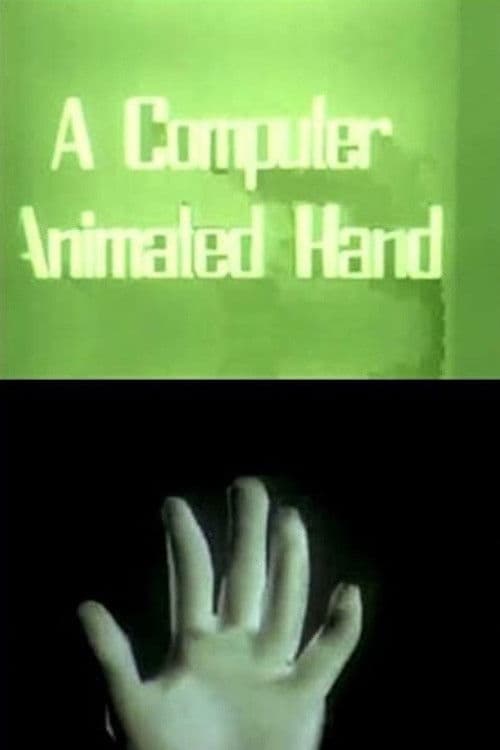
Archive film showing possibly the first example of digital rendering, made by Pixar co-founders Ed Catmull and Fred Parke in 1972, was stumbled upon by the son of Robert B Ingebretsen, who also set up the world-famous U.S. studio. A six minute version shows additional CGI animation of an artificial heart valve, and human heads.
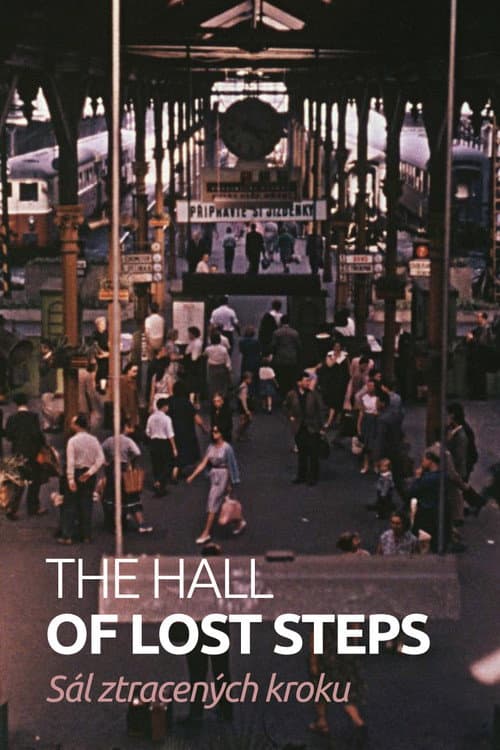
In a series of juxtaposed images and sounds, Jaromil Jireš comments on the tragic premature death of thousands as well as their posterity due to the atomic bomb.
1964
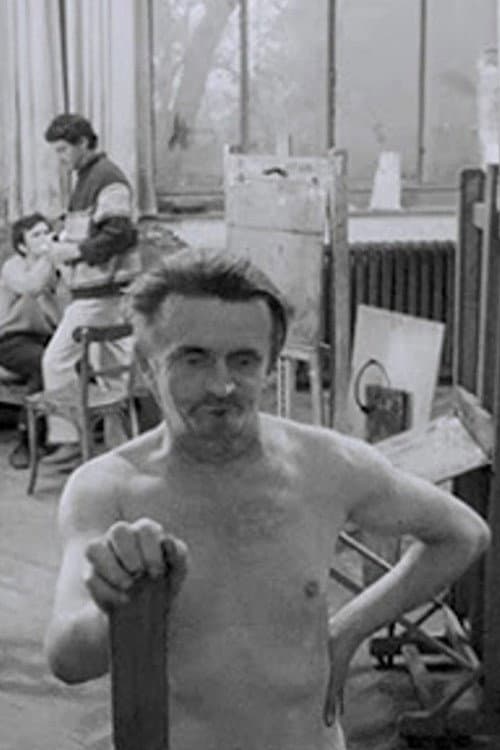
One day in the life of Mr Hrstka, a blue collar worker and occasional pose model at the Prague academy of arts. Through this portrayal of an outsider, Paskaljevic explores the subject of isolation.
1970